
Neighborhood Guide: One-North and Buona Vista
Discover why One-North and Buona Vista have become premier destinations for remote workers. We'll walk you through the neighborhoods, the amenities, and what makes them perfect for home-based professionals.
Why These Neighborhoods Stand Out
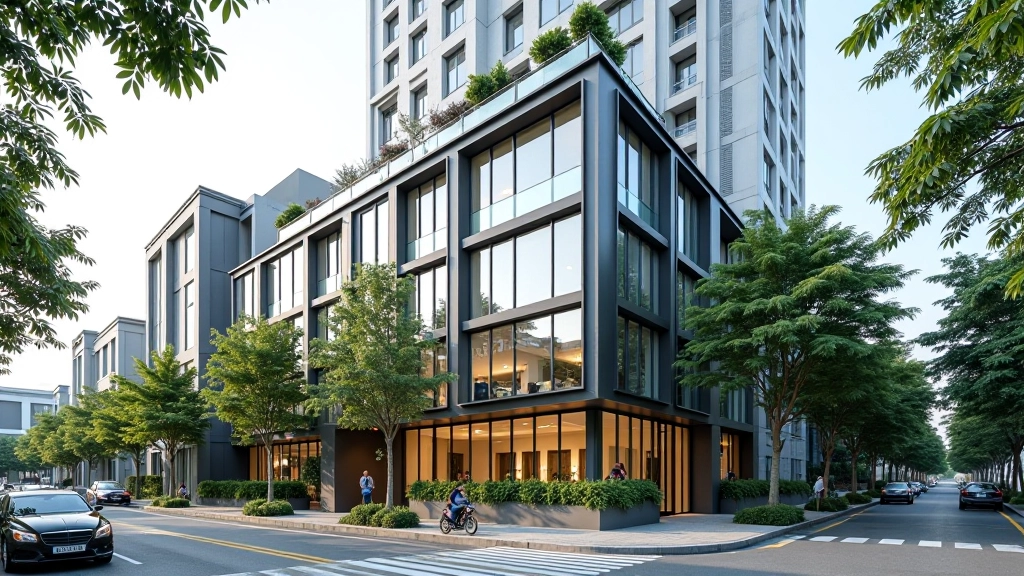
Singapore's tech corridor has transformed the way remote workers think about location. One-North and Buona Vista aren't just business districts—they're neighborhoods where you'll find everything you need within walking distance. We're talking about professional spaces, good food, and quiet residential pockets that actually work for people who need to focus.
Both areas have evolved beyond their corporate roots. You'll find cafes that understand remote workers need reliable wifi, co-living spaces designed with home offices in mind, and a community of people doing similar work. The infrastructure here is solid—reliable internet, consistent power supply, and transport connections that don't leave you stranded.
Central Location
Close to major transport hubs and business centers, but quiet enough for focused work
Connectivity
Excellent internet infrastructure with multiple service providers competing for better speeds
Amenities
Coffee shops, restaurants, and co-working spaces designed with remote workers in mind
One-North: The Innovation Hub
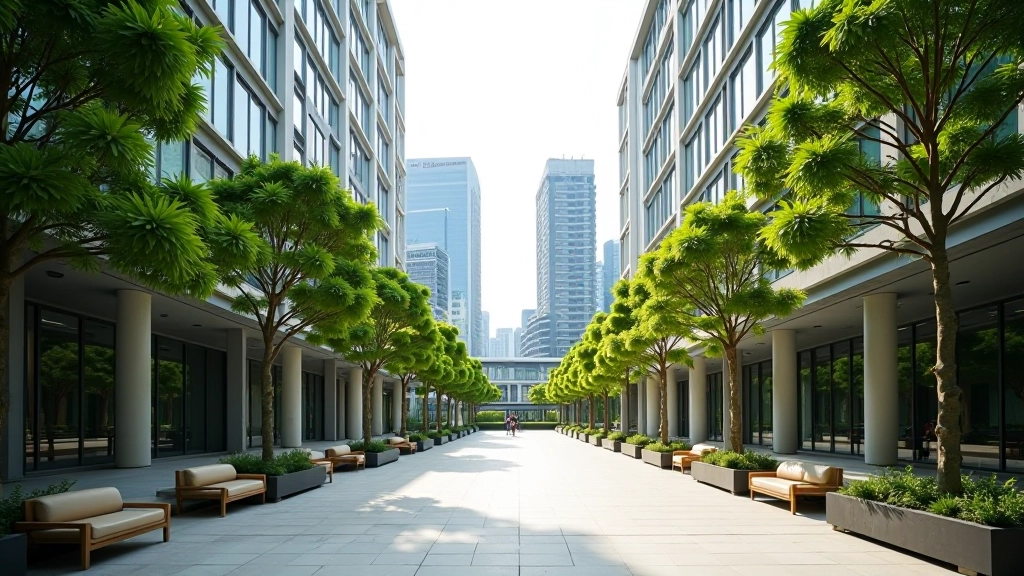
One-North has positioned itself as Singapore's innovation district. It's where tech companies, startups, and research institutions cluster together. But here's the thing—it's not just corporate towers. The neighborhood has evolved into a mixed-use area with residential apartments, stylish cafes, and green spaces.
For remote workers, One-North offers something special. The area's commitment to becoming a sustainable, walkable district means you're not stuck in your apartment all day. There's a genuine community here. Co-working spaces like The Hive and other shared offices have become social hubs where you'll meet other professionals. Internet speeds regularly hit 500 Mbps+, and apartment buildings have backup power systems that actually work.
Housing costs are reasonable compared to other central areas. You'll find studio apartments starting around SGD 2,500-3,500 per month, and one-bedrooms from SGD 3,500-4,500. Most buildings have been renovated in the last 5-10 years, so you're not dealing with aging infrastructure. Plus, the MRT station is right there—Buona Vista line gets you anywhere in 20 minutes.
Buona Vista: The Established Choice
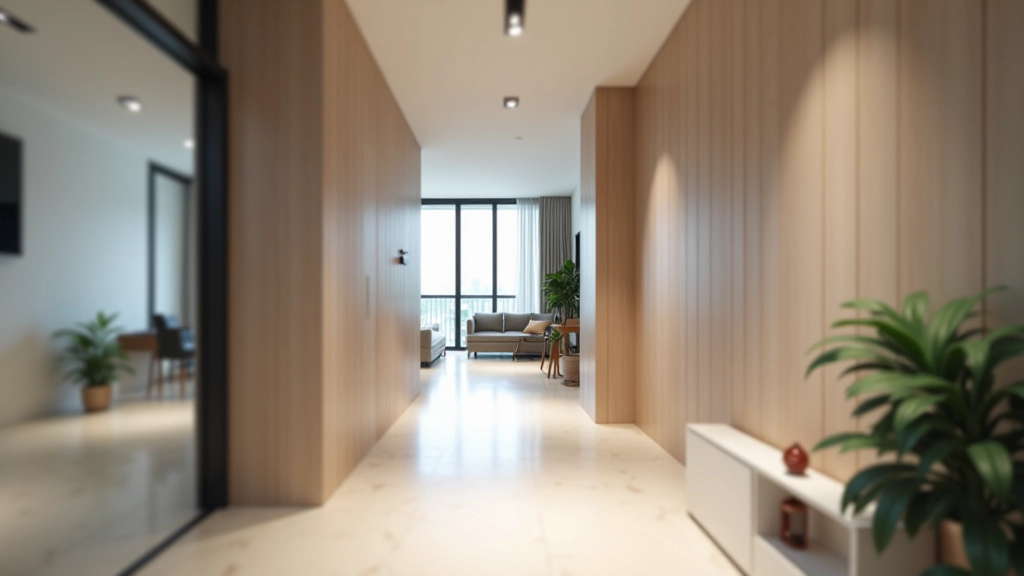
Buona Vista sits at a crossroads. It's been here longer than One-North, with more established residential areas mixed with commercial spaces. The neighborhood has character—older shophouses, family-run restaurants, and a slightly slower pace than its neighboring tech hub.
What makes Buona Vista attractive for remote workers is exactly this balance. You get the infrastructure benefits without feeling like you're living in a corporate district. Internet connectivity is excellent—this is Singapore, after all. Most apartments here offer 1 Gbps fiber connections as standard. The neighborhood has quiet residential streets where you can actually hear yourself think, plus easy access to the business areas when you need to collaborate in person.
Apartments in Buona Vista tend to be slightly cheaper than One-North. Studios run SGD 2,200-3,000, while one-bedrooms are SGD 3,000-4,000. The neighborhood isn't as trendy, but that's actually an advantage—you're paying for a solid living space, not brand prestige. Transport is straightforward with the same MRT line, and you're literally 5 minutes from One-North if you want to grab lunch at the newer cafes.
About This Guide
This guide is informational and based on market conditions as of May 2026. Rental prices, amenities, and neighborhood characteristics can change. We recommend visiting the areas in person, checking current rental listings, and speaking with local real estate agents for the most up-to-date information. Circumstances vary based on individual preferences and needs.
Practical Considerations for Remote Workers
Internet & Power
Both neighborhoods have excellent connectivity. Most apartments include fiber internet as standard. Power reliability is strong—backup generators are common in residential buildings. You won't experience the rolling blackouts you might find elsewhere.
Noise Levels
One-North can be busier during business hours. If you're sensitive to ambient noise, choose apartments away from main roads or in the residential towers further from the main business district. Buona Vista tends to be quieter overall.
Transportation
The Buona Vista MRT station serves both areas. Expect 15-20 minute commutes to the city center, 25-30 minutes to Changi Airport. Bus services are frequent and reliable. Cycling infrastructure is improving, with dedicated lanes on main roads.
Work Spaces
Multiple co-working options exist in both areas. Day passes typically run SGD 25-40. Many cafes have become unofficial work spaces—wifi is reliable and seating is comfortable. Building common areas often have small meeting rooms you can reserve.
Dining & Groceries
Both neighborhoods have diverse food options. One-North leans toward modern cafes and restaurants. Buona Vista has a mix of hawker centers and established restaurants. Supermarkets and convenience stores are within 5-10 minutes walk from most apartments.
Community Feel
One-North attracts younger professionals and has a more dynamic social scene. Buona Vista has a slightly older demographic and feels more settled. Both have active resident associations and regular community events worth checking out.
Quick Comparison
Choosing between these neighborhoods comes down to your priorities. Are you looking for a vibrant community with constant activity, or do you prefer quieter surroundings? Want newer buildings with modern amenities, or are you comfortable with established housing stock?
One-North makes sense if you're building a professional network, want to be around the startup scene, and don't mind paying a bit extra for that energy. The neighborhood feels forward-looking and invests heavily in public spaces. Most apartments here were built or renovated in the last decade, so you get modern appliances and designs.
Buona Vista appeals if you want solid, reliable living without the buzz. You'll save money, get a quieter environment, and still have everything you need within reach. It's a neighborhood that's been around, knows what it's doing, and doesn't need to prove anything.
Here's the real talk—you can't go wrong with either choice. Both have excellent internet, reliable power, good transport links, and active communities. The difference is in vibe and pace. Visit both neighborhoods on a weekday morning, grab coffee, sit for an hour. You'll feel which one fits your working style better than any guide can tell you.

Related Articles