Finding Your Perfect Work-From-Home Space
You're hunting for an apartment, and you're not just looking for a place to sleep — you need a space where you can actually work. That's different. It's not enough to have four walls and a desk shoved in the corner. The right layout can make the difference between a productive day and one where you're constantly distracted by your living room.
Here's the thing: most apartments aren't designed with remote work in mind. They're built for people who leave for the office. So when you're apartment hunting, you've got to think differently. You're looking for specific features that'll let you create a real separation between your work zone and your relaxation space.
Room Dimensions Matter More Than You Think
When you're viewing an apartment, bring a measuring tape. Seriously. A bedroom that looks spacious in photos might actually be 3m 3.5m — that's barely enough for a bed and a small desk without feeling cramped.
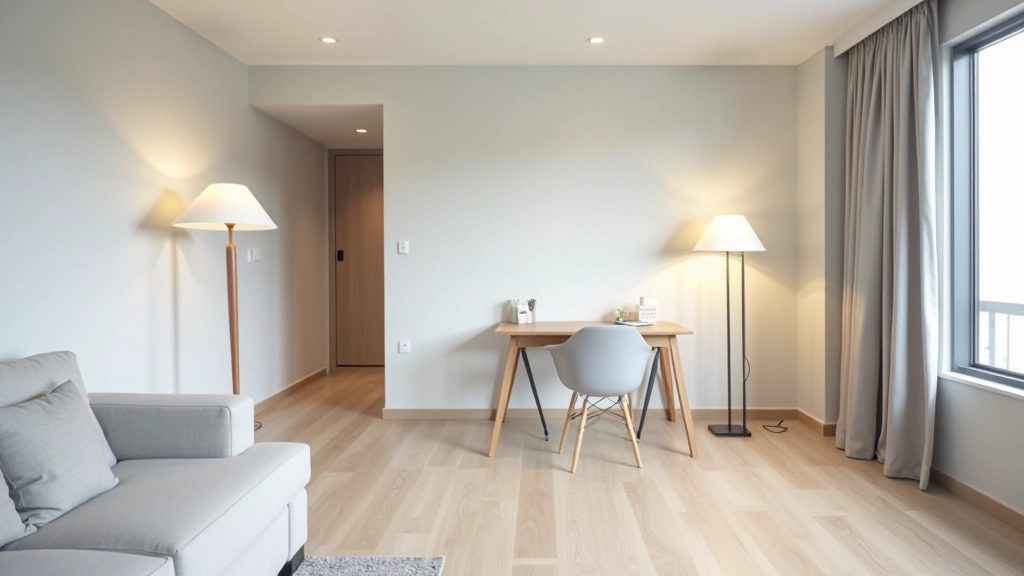
What you're actually looking for: a living room or second bedroom that's at least 4m 4m if you want a dedicated workspace. That gives you room for a proper desk, a chair with some space to move around, and a small filing cabinet or shelving. It won't feel like you're working in a closet.
Pay attention to ceiling height too. A room with 2.7m ceilings feels cramped when you're sitting there eight hours a day. Anything 2.8m or higher makes a real difference in how comfortable you'll feel during those long work sessions.

Important Note
This guide provides informational recommendations for apartment hunting. Every person's work setup needs are different. Consider your specific equipment, work style, and personal preferences when evaluating apartment layouts. We recommend visiting apartments multiple times at different times of day to assess lighting and noise levels.
Separation Between Work and Life
This is crucial. You don't want to be lying in bed and staring at your desk. You don't want your partner watching you work while they're trying to relax. It messes with your mental boundaries.
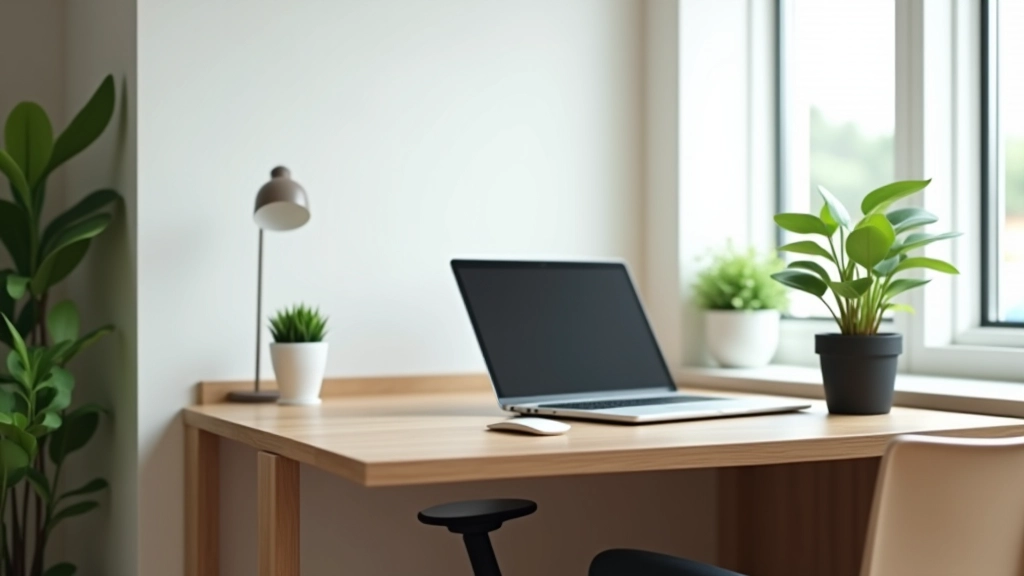
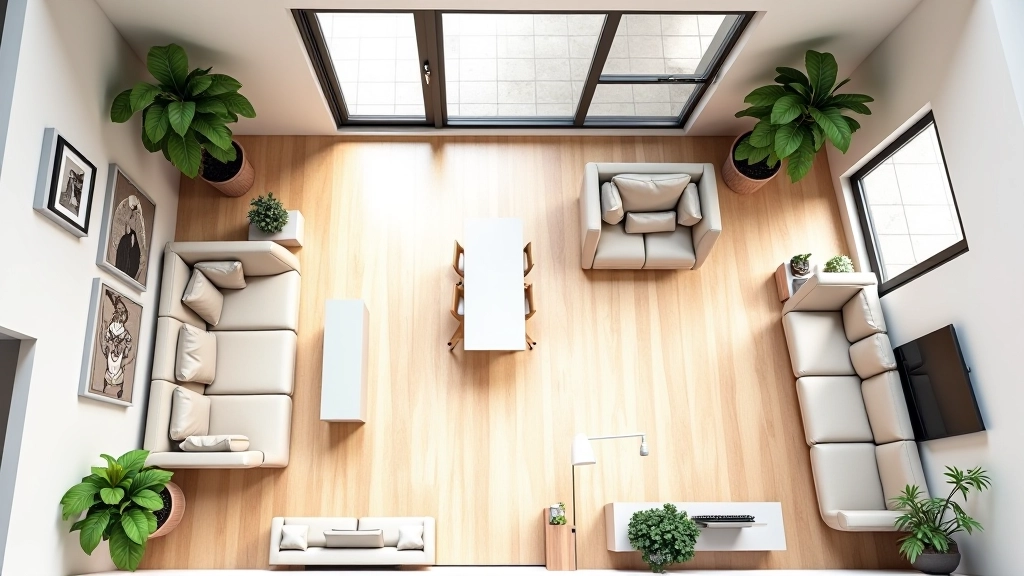
The best setups we've seen? A second bedroom converted to an office, or a living room with distinct zones. If the apartment's got a room divider or alcove that could work as a dedicated space, even better. You're looking for something that creates a psychological shift between "work mode" and "home mode."
Even if you're in a smaller space, look for an apartment where your desk doesn't face directly into the main living area. An L-shaped living room where you can position your desk in one corner works. A studio with a room divider between the bedroom area and living area works too.
Natural Light Changes Everything
You'll spend 40+ hours a week in this space. The quality of light matters way more than you'd think. Bad lighting = headaches, eye strain, and that weird depression that comes from sitting under fluorescent bulbs all day.
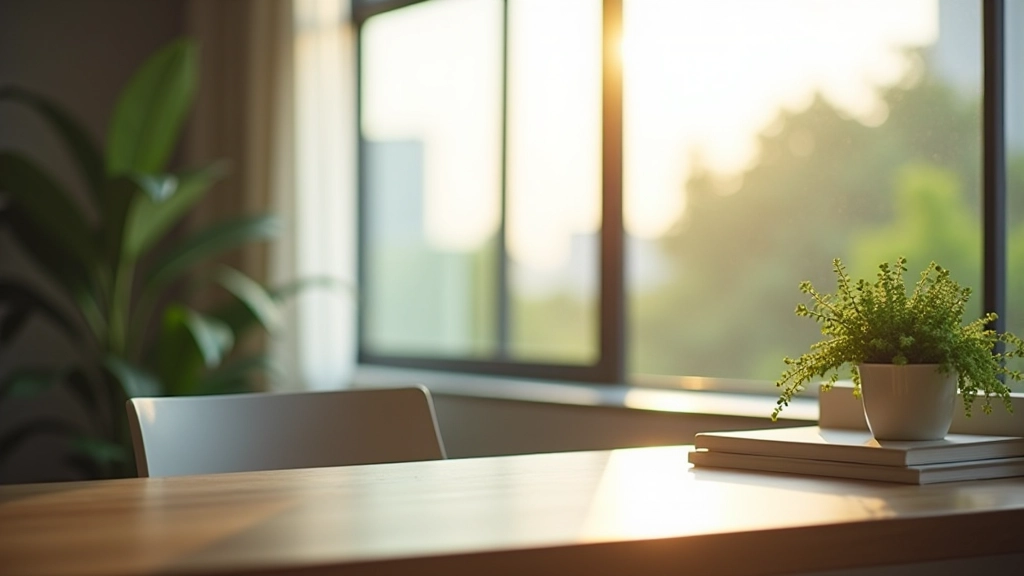
What's ideal? A workspace that gets 2-4 hours of natural light during your working hours. In Singapore, that usually means north or east-facing is better than south-facing (less harsh afternoon heat). Check the apartment at different times of day. Morning light at 9am is completely different from afternoon light at 2pm.
Windows matter too. Multiple windows are better than one. And if your desk faces a window, that's good for reducing eye strain — you've got something to focus on beyond your screen.
The Practical Checklist
Dedicated Workspace
A room or area where you can close a door or create visual separation from your living space.
Minimum Space
At least 4m 4m for a dedicated office or workspace area. Anything smaller feels claustrophobic after 8 hours.
Natural Light Access
Windows that provide 2+ hours of natural light during your typical work hours. Check at the time of day you'll actually be working.
Electrical Outlets
You'll need at least 3-4 outlets near where your desk will be. Count them. Many older apartments are woefully under-equipped.
Noise Isolation
Listen for external noise. High-floor units away from lift shafts and stairwells are generally quieter. Important for video calls.
Internet-Ready
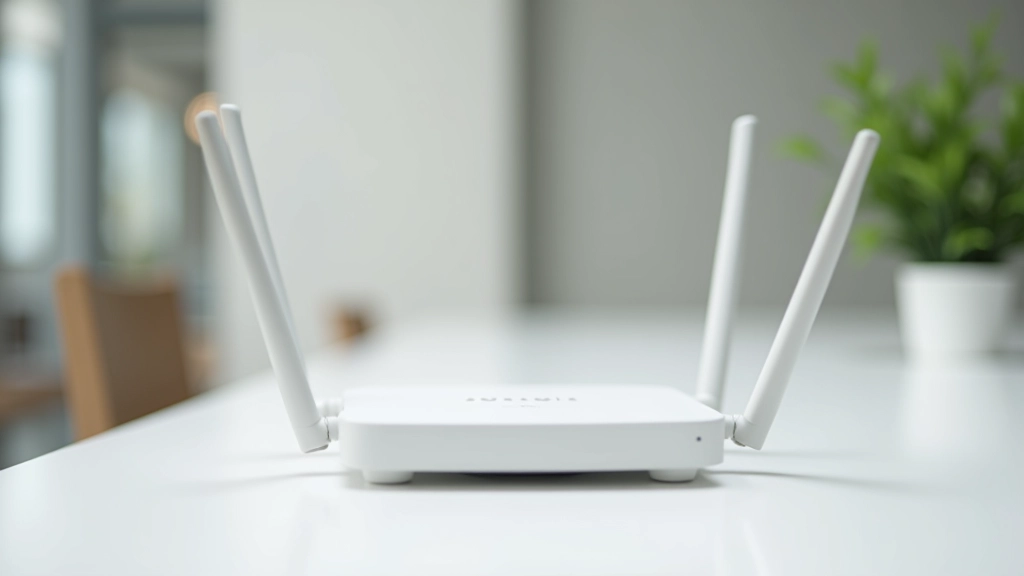
Check what internet providers service the building. Confirm the workspace area can get a strong WiFi signal or wired connection.
Small Spaces? Still Workable
Not everyone's got space for a dedicated office. If you're in a smaller apartment, don't panic. It's harder but not impossible.
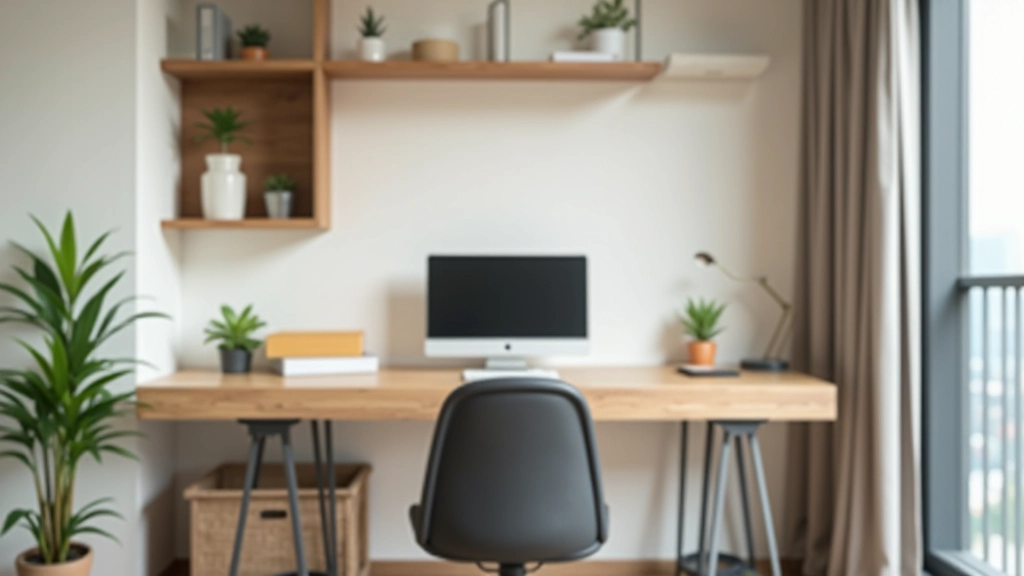
Look for studios or 1-bedrooms with an open floor plan where you can create zones. A Murphy desk that folds up, or a desk that sits in a bedroom alcove, or even a kitchen counter setup that's separated from your sleeping area — these can work. The key is that mental separation we talked about.
What you're avoiding: a sofa-bed where your bed IS your living room. Or a setup where your desk is literally three feet from your bed. That messes with your ability to relax.
Making Your Final Decision
The right apartment layout isn't about luxury. It's about functionality. You're not looking for Instagram-worthy design — you're looking for a space that lets you work effectively and actually enjoy your home when work is done.
Visit apartments multiple times. Go at 9am to check the light. Go at 2pm to see how the afternoon sun hits. Go in the evening to check noise levels. Spend 20 minutes sitting at where your desk would be. Does it feel right? Can you see yourself spending 8 hours there?
The best apartment for remote work isn't always the biggest or the fanciest. It's the one where you can draw a clear line between work and life. That's what actually makes a difference.